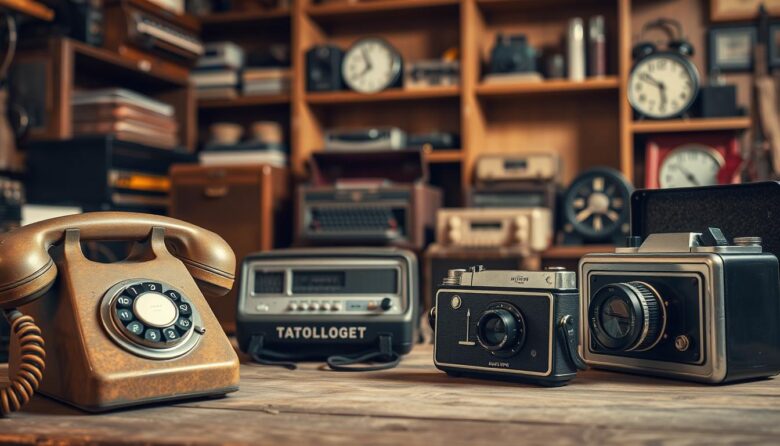
Technology moves fast. New devices appear constantly, promising the latest features. Yet, some classic items from the past continue to hold their ground.
These vintage pieces have a special charm. They were built to last, with a focus on quality that sometimes feels rare today. Their designs are often simple and timeless.
Why do these older models remain popular? It’s more than just nostalgia. People appreciate their reliability and straightforward functionality. In a world of complex software, a physical button is refreshing.
This guide explores the world of enduring vintage tech. We will look at items from audio equipment to gaming consoles. Discover which classic gadgets have truly stood the test of time.
Embracing Nostalgia: The Charm of Retro Gadgets
The psychological pull of older technology stems from its tangible, hands-on nature. These items create emotional connections that sleek modern devices often cannot replicate.
Experience the Magic of the Past
Vintage electronics transport users back to simpler eras, particularly the 1980s. They required physical interaction that provided satisfying user feedback.
The sensory appeal creates deeper bonds with technology. Mechanical clicks, tactile buttons, and warm glows offer experiences missing from today’s touchscreen interfaces.
Timeless Design Meets Modern Functionality
Contemporary manufacturers successfully blend vintage aesthetics with current technology. Products maintain classic appearances while functioning with modern efficiency.
Classic elements like mechanical switches or analog displays get reimagined with updated components. This approach prioritizes longevity and user experience over disposability.
Embracing these items isn’t about rejecting progress. It’s appreciating design philosophies that valued aesthetic appeal and sustainable construction.
Rediscovering History Through Vintage Tech
Before our current era of smart devices, groundbreaking inventions from decades past shaped how we interact with technology. These pioneering items established patterns that continue to influence our digital world today.
Analog Roots and Cultural Impact
The Polaroid camera transformed photography in 1948. Edwin Land’s invention created instant sharing long before social media.
This device changed how people captured moments. It established the cultural practice of immediate photo sharing that defines modern life.
Milestones in Retro Innovation
The mid-1990s PalmPilot demonstrated pocket computing viability. It managed calendars and contacts decades before smartphones.
IBM’s ThinkPad set business computing standards with its iconic red TrackPoint. The 1977 HP-01 proved wrist-worn computing was possible.
Sony’s Walkman revolutionized portable music in 1979. Nintendo’s Game Boy brought handheld gaming to the masses in 1989.
These innovations paved the way for today’s mobile experiences. They showed what was possible in earlier days of personal technology.
Essential Durable Retro Gadgets for Modern Living
Modern homes can now enjoy the distinct personality of yesteryear’s technology without giving up today’s conveniences. These items blend classic aesthetics with the performance we expect.
Innovative Designs with a Classic Touch
The NIXOID NEXT watch features rare Nixie VFD lamps from a Cold War-era warehouse. This steampunk-inspired timepiece is a true limited-edition collectible.
Another standout is the Wall-hanging CD Cover Player. Its minimalist design turns listening into visual art by displaying album covers as music plays.
The Vestaboard offers a unique alternative to smartphone screens. Its split-flap display shows messages with a satisfying mechanical sound.
Even chargers get a classic makeover. The Retro 35W GaN Charger has the look of the original Macintosh computer. Its iconic smiling logo lights up during use.
Performance and Reliability Reinvented
These devices use modern parts like GaN semiconductors for fast charging. They are built for daily use and offer reliable performance.
This approach ensures functionality matches their unique aesthetic value. They serve as practical conversation pieces in any home.
An In-depth Look at Modern Functionality in Retro Devices
The true genius of modern vintage tech lies in its seamless integration of old-school aesthetics with new-age functionality. These items prove that classic design doesn’t mean sacrificing contemporary performance.
Modern Enhancements of Classic Technologies
The NIXOID NEXT watch demonstrates smart upgrades beautifully. Its accelerometer activates the VFD tubes when you tilt your wrist, combining gesture control with vintage display technology.
Convenient charging points on the back and a scratch-resistant sapphire case add practical modern features. The wall-hanging CD player offers impressive portability with its 1,800mAh battery providing 7-8 hours of playback.
User-Friendly Features and Upgrades
The Vestaboard brings mechanical displays into the digital age. Users control its 132-character display through mobile apps or web interfaces, connecting classic mechanics with modern internet connectivity.
Some innovations were ahead of their time. The SEGA Dreamcast offered internet connectivity and downloadable content years before these features became standard in gaming devices.
These thoughtful upgrades make classic-inspired items practical for daily use. They remain relevant rather than becoming mere decorative pieces.
Design Trends That Bring Back the Past
The bold visual language of the 1980s has made a surprising comeback in contemporary product design. This resurgence represents more than simple nostalgia for a bygone era.
Modern consumers seek authenticity and tangible experiences that contrast with today’s minimalist, screen-dominated interfaces.
The Influence of the 80s on Today’s Tech Aesthetics
The Retro 35W GaN Charger perfectly demonstrates this trend. It recreates the original Macintosh computer’s iconic design, complete with the smiling Mac logo.
Similarly, the Long Weekend camera embraces disposable-camera aesthetics from the 80s and 90s. Its approachable design appeals to users seeking authentic photographic experiences.
These products showcase how designers selectively borrow 80s elements like chunky forms and bright colors. They combine these with modern materials for improved performance.
The commercial success of 80s-inspired design confirms consumers actively seek this aesthetic. It represents a design philosophy that valued user-friendly, approachable technology.
Power and Performance: Battery and Screen Innovations
Modern power management has transformed how we experience classic-inspired electronics. These items balance nostalgic appearances with contemporary expectations for battery life and display quality.
Reliable Battery Life in Iconic Devices
Contemporary power solutions allow vintage-styled items to function independently. The Wall-hanging CD player demonstrates this with its 1,800mAh battery providing 7-8 hours of continuous playback.
This represents a significant improvement over original devices that typically required AC connections. Modern battery technology makes classic audio formats truly portable and practical for daily use.
Screen Features That Enhance the Vintage Experience
Display technology has evolved to convincingly replicate vintage aesthetics. The Nextube uses LED screens disguised as Nixie tubes, offering customization impossible with original technology.
These modern displays can show diverse information from time to cryptocurrency prices. However, some authentic vintage screen technologies like Nixie tubes have inherent limitations for continuous operation.
The Long Weekend camera uses a focus-free lens to create dreamy image quality reminiscent of disposable cameras. This intentional imperfection enhances the vintage photographic experience.
Original CRT televisions created anticipation through their warm-up periods and gradually brightening screens. Modern instant-on displays have eliminated this unique sensory experience.
Capturing Memories: Vintage Cameras and Film Revival
While smartphone cameras dominate photography, a growing community finds artistic value in the limitations of vintage cameras. This movement embraces the physical nature of film and the unique qualities it produces. The process encourages more thoughtful composition and timing.
Analog Photography in a Digital Era
The Long Weekend camera by Moment exemplifies this trend. This $49.99 reusable 35mm point-and-shoot combines disposable-camera aesthetics with modern practicality. Its focus-free 31mm F9 lens creates dreamy 90s-style images that smartphone computational photography cannot replicate.
Photographers can experiment with different film stocks, each producing unique color palettes and grain structures. This variety offers artistic possibilities impossible with fixed digital sensors. The camera’s simplicity trades technical control for authentic vintage operation.
The Petzval 80.5 f/1.9 MKII lens brings 19th-century optical characteristics to modern cameras. It creates distinctive swirly bokeh effects for both analog and digital SLR users. Polaroid’s comeback demonstrates the craving for tangible memories in our digital world.
Film photography’s limitations actually teach better skills. Limited exposures per roll encourage careful composition rather than digital’s spray-and-pray approach. The delayed results create anticipation that enhances the photographic experience.
Audio Innovations: From Cassette Players to Modern Speakers
Audio technology has come full circle, with classic formats experiencing a remarkable resurgence in today’s digital age. Listeners seek the authentic experiences that physical media provides.
Mixing Past and Present in Sound Systems
The Wall-hanging CD Cover Player transforms music listening into visual art. It displays album artwork while playing through integrated 40mm speakers. This device offers pure analog sound without digital syncing.
The Floating Record turntable plays vinyl vertically with built-in stereo speakers. Its walnut base and carbon fiber tone-arm create a striking presentation. However, proper record positioning is crucial to prevent skipping.
A for Ara’s FS-1 and FS-2 speakers blend design styles with phonograph-inspired horns. These resemble morning glory flowers while amplifying sound beautifully.
Revamping Vinyl and Analog Audio Experiences
Sony’s 1979 Walkman revolutionized portable music. It created personal soundtracks for daily life. Cassette mixtapes became relationship currency through thoughtful song selection.
Vinyl records provide warm, imperfect sound with organic texture. The physical ritual of handling records creates intentional listening experiences. These analog formats offer connections that streaming cannot replicate.
Gaming and Interactive Retro Experiences
The world of classic gaming offers experiences that modern technology often struggles to replicate. These interactive systems created lasting memories through physical engagement and social interaction.
Handheld Consoles and Arcade Reboots
Nintendo’s Game Boy launched in 1989 and revolutionized portable gaming. Its monochrome screen became a portal to different worlds, proving gameplay mattered more than graphics.
The SEGA Dreamcast featured internet connectivity and downloadable content years before these became standard. Despite innovations, it faced tough competition from PlayStation 2.
Arcade cabinets created public social spaces where players demonstrated skills in person. The Simon game from 1978 used hypnotic light sequences as an analog brain trainer.
Modular Designs for Versatile Play
The Polycade Sente represents innovative modular gaming design. This system allows users to swap controllers for different playing styles.
Light Gun add-ons can be installed on each side for shooter games. The freestand option provides placement flexibility throughout any space.
However, the bulky design requires considerable room. This makes it challenging for homes with limited space constraints.
Iconic Retro Designs in Personal Accessories
Before smartwatches dominated wrists, innovative timepieces combined multiple functions in ways that still inspire designers today. These personal items blended style with practical utility.
Wearable Relics: Watches and Other Gadgets
The NIXOID NEXT watch showcases authentic Nixie VFD lamps from a Cold War-era warehouse. This unique timepiece features an accelerometer that activates the display when tilted.
Modern upgrades include convenient charging points and a scratch-resistant sapphire case. However, there’s a brief pause when switching between hour and minute displays.
The HP-01 from 1977 combined a digital watch with calculator functions. It used 7-segment LED displays and required a stylus to operate its 28 recessed buttons.
Stylish Fusion of Past and Present Features
Communication devices demanded specific skills that have faded. Pagers used numeric codes like “143” for “I love you,” requiring users to find a phone to respond.
Phone booths created private spaces for conversations. They required memorized numbers and pocket change, skills largely obsolete today.
Rotary phones needed finger strength and commitment to dial. Their circular motion created a physical connection that touch interfaces have replaced.
Reflecting on Timeless Tech: The Enduring Legacy of Retro Gadgets
What makes certain technological designs transcend generations while others fade into obsolescence? These vintage devices demonstrate that meaningful user experience often comes from thoughtful design rather than cutting-edge features. Their continued relevance speaks to fundamental human needs that modern technology sometimes overlooks.
The tangible nature of these classic items creates deeper connections. Physical buttons, mechanical controls, and analog displays provide sensory feedback that touch screens cannot replicate. Limited film exposures and shared family phones fostered patience and intentionality in our daily lives.
Embracing this technology doesn’t mean rejecting progress. It represents a selective appreciation of design wisdom from the past. The best vintage-inspired items balance authentic character with modern functionality, creating products that honor history while serving contemporary needs.