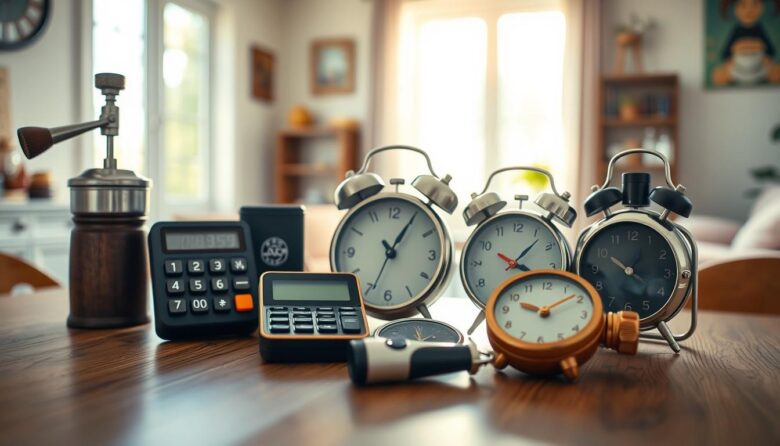
Imagine a world where your everyday gadgets never need a charge. Constant searching for an outlet or replacing dead cells becomes a distant memory. This is the promise of a new wave of innovation. A movement is growing to free our devices from traditional energy sources. Concerns about waste, cost, and safety are driving this …
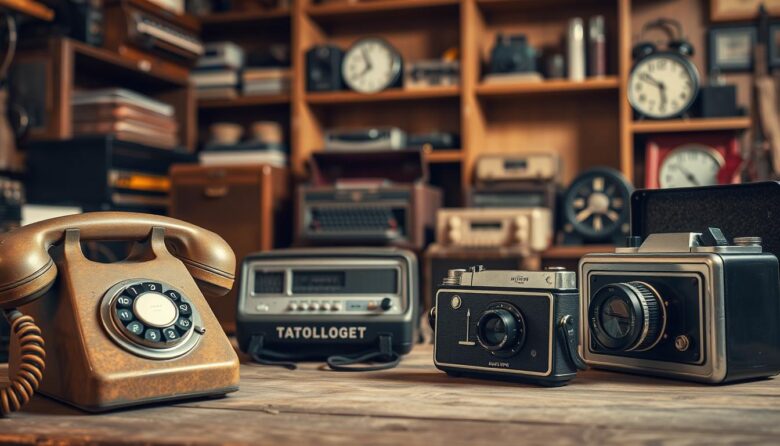
Technology moves fast. New devices appear constantly, promising the latest features. Yet, some classic items from the past continue to hold their ground. These vintage pieces have a special charm. They were built to last, with a focus on quality that sometimes feels rare today. Their designs are often simple and timeless. Why do these …

Many modern gadgets seem designed to fail. Smartphones often show their age after just two years. This planned obsolescence creates a cycle of constant replacement. Vintage electronics offer a refreshing alternative. These classic items were built to endure. They represent a rebellion against our disposable culture. This exploration is not about nostalgia alone. It is …

Our modern world is saturated with screens. Emails, social media alerts, and endless digital feeds demand our attention every moment. This constant connectivity makes it incredibly difficult to slow down and think deeply. A growing movement is embracing a different path. Many people are choosing simple, physical objects that do not require a battery or …

Our daily lives are saturated with digital devices and applications. We rely on them for communication, organization, and getting work done. The assumption is that newer always means better when it comes to technology. Yet, a quiet shift is happening. Many professionals and efficiency enthusiasts are rediscovering the value of classic, analog methods. They are …

Many workshops today are filled with the hum of modern power equipment. Yet, a growing number of craftspeople are rediscovering the unique value of classic workshop implements. These items from bygone eras offer a different kind of efficiency. This comprehensive buyer’s guide explores how these well-crafted pieces continue to deliver exceptional performance. They combine enduring …

Frontline work often needs tools that are fast, clear, and low-friction. In many warehouses and shop floors, real-time constraints and spotty connectivity make paper workflows quicker at the point of work. This guide shows when paper can beat an app and where selective software adds value. We focus on practical process design, standardized forms, and …
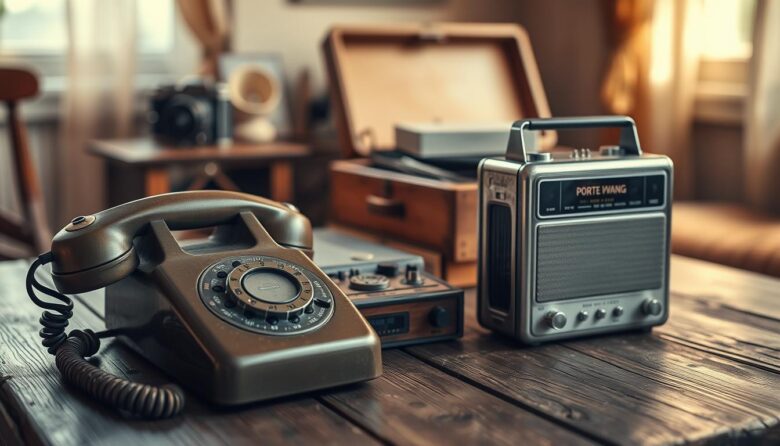
Classic tech keeps winning fans because simple engineering and serviceable parts still work. Items like vinyl turntables, cassette Walkman players, NES/SNES consoles, Game Boy units with AA batteries, and watches such as the Casio F-91W or ’90s G-Shock show how basic design delivers steady performance and lower repair costs. These machines are easy to fix …

Purpose-built, single-purpose gear can cut distractions and shrink your data exposure. Many creators report higher output using low-connectivity devices. A plain word processor or older handheld limits social feeds and background apps, so you focus on the task. Expect trade-offs: adapters, manual transfers, and occasional failures. The payoff is fewer interruptions and a smaller attack …

The Pomodoro Technique began in the late 1980s with Francesco Cirillo and a simple tomato-shaped kitchen timer. It breaks work into 25-minute intervals with short breaks and a longer 20–30 minute rest after four rounds. This low-tech method uses a mechanical timer, paper, and pencil so winding the device and hearing a tick reinforce commitment …