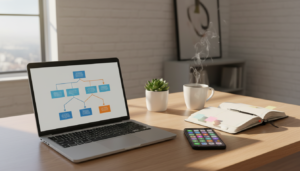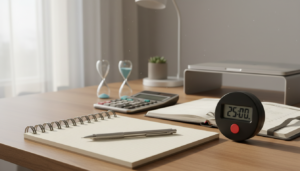
Many professionals today feel overwhelmed by constant digital notifications and complex apps. They seek a simpler way to manage their work and time. This has led to a renewed interest in straightforward, analog approaches.
Research reveals a significant challenge. The average worker spends over a third of the workday on activities not related to their primary tasks. This highlights a clear need for effective systems.
Studies from Aalto University in Finland show that a cluttered computer desktop can increase stress. It also reduces our ability to concentrate on important work. Simplifying our digital space is a powerful first step.
According to organizational behavior expert Dr. Libby Sander, our physical environment matters greatly. The design of a workspace can influence output by up to twenty percent. This principle applies to the tools we choose as well.
This article explores practical, time-tested techniques. These approaches help people accomplish more by minimizing distractions. They offer a path to greater focus and mental clarity in modern life.
Understanding the Power of Low Tech Productivity Methods
In an era dominated by digital interfaces, a quiet revolution is taking place in how people approach their daily work. These intentional approaches minimize digital tools in favor of analog systems.
Many professionals are rediscovering the value of pen and paper for managing their schedules. They use traditional planners and handwritten notes instead of complex apps.
What Are Low Tech Productivity Methods?
These approaches involve physical tools like paper planners and face-to-face conversations. They help individuals focus on one task at a time without digital interruptions.
The fundamental difference lies in reducing cognitive load on the brain. Unlike digital systems that encourage multitasking, these methods promote deep concentration.
Benefits of Embracing Non-Digital Tools
Writing by hand creates stronger memory connections through the generation effect. This physical activity engages fine motor skills that enhance creative thinking.
Reducing screen time lowers stress levels and prevents digital fatigue. People find they accomplish more in less time when using simple, focused approaches.
A balanced strategy leverages both analog and digital strengths. The goal is intentional tool selection rather than complete technology rejection.
Harnessing Paper and Pen for Enhanced Creativity
The simple act of putting pen to paper activates cognitive processes that digital tools often bypass. Neuropsychologists call this the “generation effect.” Our brains remember information better when we write it down ourselves.
This physical activity engages fine motor skills. It helps us enter a state of deep concentration. Creative ideas flow more naturally during this process.
Boosting Memory and Focus with Handwritten Notes
Julia Cameron’s “morning pages” ritual demonstrates this power. She recommends writing three pages every morning for 45 minutes. This practice clears mental clutter from your brain.
Keep all your important notes in one dedicated notebook. This prevents information from scattering across digital platforms. Your thoughts stay organized and accessible.
Crafting Effective To-Do Lists on Paper
Start each day’s list with five small, easy tasks. This creates early momentum and releases endorphins. You’ll feel more motivated to tackle larger items.
Include every single thing that takes up time during your day. Track business tasks, meals, and personal activities. Comprehensive tracking reveals productivity patterns.
Prioritize list items in optimal order for maximum efficiency. Use templates for recurring daily tasks. This system keeps important ideas front-and-center.
Optimizing Time Management with Simple, Practical Tools
Your body’s natural clock holds the key to unlocking your most productive hours each day. This field of study, called chronobiology, shows that we all have unique energy patterns. Planning your schedule around these rhythms makes your efforts more effective.
Planning Your Day Around Natural Energy Peaks and Troughs
Are you an early bird or a night owl? Your answer determines your ideal schedule. Tackle complex tasks during your personal peak performance windows for the best results.
Even your morning coffee timing matters. Cortisol, your alertness hormone, peaks around 8-9 AM. Having your first cup between 9:30-11:30 AM provides a bigger boost when cortisol naturally dips.
Track your focus levels for a week to find your patterns. Note when you feel most alert and when you slump. Schedule demanding work during high-energy periods.
Utilizing Techniques Like the Pomodoro Method
The Pomodoro Technique is a powerful tool for maintaining concentration. It uses a simple timer to structure your work into focused intervals.
Work intently for 25 minutes, then take a five-minute break. This rhythm aligns with the brain’s natural attention span. It helps prevent mental fatigue on long tasks.
After four cycles, take a longer break of 15-30 minutes. This approach keeps your mind fresh throughout the day. You will get more done with less strain.
You only need a basic timer to start. This method proves that effective time management doesn’t require complex systems. Awareness and simple tools create significant gains.
Leveraging Analog Tools to Streamline Daily Tasks
For those managing multiple endeavors, a simple piece of paper can become a central command center for all activities. This approach moves beyond a basic daily list to create a comprehensive system.
It integrates immediate actions with long-term project tracking. This provides a clear overview of your entire workload at a glance.
Integrating Project Management Grids and Templates
Create a personalized to-do list template with your most common daily items. This saves time you would spend rewriting them each day.
On the reverse side, draw a project management grid. Inspired by Eric Ries’s Lean Startup, this grid tracks each initiative by phase.
Columns can represent stages like brainstorming, outlining, development, and testing. This visual system clarifies where every project stands.
Use personal shorthand to populate your list quickly. Abbreviations and symbols save precious seconds since you are the only reader.
Prioritizing Tasks with Traditional Scheduling
Strategically order your list for maximum momentum. After one large task, complete three or four small items.
This frequent completion releases endorphins, boosting your mood. It also makes the list feel more manageable as you progress.
Always prepare tomorrow’s list before ending your day. Carry over unfinished items and add new priorities.
This practice ensures you start each morning with clear direction. You avoid decision paralysis and can immediately get things done.
Creating a Low-Tech Workspace for Maximum Efficiency
Back pain ranks among the top reasons people miss days at the office. Your physical setup plays a huge role in how you feel and perform. A well-organized space can boost your output significantly.
Organizational expert Dr. Libby Sander notes that your environment can influence performance by up to twenty percent. A cluttered desk does more than look messy. It can harm your focus, decision-making, and even sleep.
Designing a Clutter-Free, Ergonomic Environment
Start with a clean surface. Use simple tools like drawer dividers and filing systems to keep essentials handy but out of sight. This reduces visual stress and helps your mind concentrate.
These straightforward steps create a calm foundation for your work. A minimalist area supports deep thinking far better than a space crowded with gadgets.
Simple Adjustments to Improve Posture and Comfort
You don’t need expensive furniture for better ergonomics. Ensure your chair supports your back. Adjust it so your wrists are straight when typing.
Place your screen at eye level to avoid neck strain. Use a stack of books if needed. Keep your feet flat on the floor for stability during long hours.
These small changes prevent physical discomfort that drains your energy. They allow you to work effectively and get the rest you need to recover.
Implementing Hands-On Strategies for Better Task Management
Effective task management relies on balancing focused work periods with intentional rest intervals. This approach helps you accomplish more with less mental strain.
Balancing Work with Regular, Refreshing Breaks
When your energy begins to fade, step away from your desk. Pushing through fatigue often leads to burnout. Regular pauses reset your focus for better results.
The Pomodoro technique structures your day into manageable chunks. Work for 25 minutes, then take a five-minute break. This rhythm prevents mental exhaustion.
Short walks or coffee breaks recharge your mind. Physical movement away from your workspace boosts energy levels. You return to tasks with renewed concentration.
Using Timers and Traditional Reminders Effectively
Simple kitchen timers enforce break discipline. Set alarms for your rest periods throughout the day. This ensures you actually step away from work.
Sticky notes and desk calendars serve as visual prompts. Mark break times clearly to maintain consistent patterns. These tools work without digital notifications.
Wait 24 hours before responding to most emails. This practice encourages thoughtful communication. It reduces reactive messaging that creates confusion.
These straightforward approaches help you manage your workload sustainably. They support consistent performance every day without overwhelming complexity.
Integrating Traditional Communication and Meeting Techniques
Traditional approaches to meetings and conversations offer surprising advantages in an age of digital overload and divided attention. These time-tested methods foster deeper connections and clearer understanding.
Enhancing Focus with Phone-Free Meetings
Many teams now establish phone truce protocols before important discussions. Participants set aside their devices at the entrance, creating sacred space for undivided attention.
This practice eliminates the constant temptation to check messages or scroll during conversations. People become fully present with colleagues in the same room.
Rediscovering the Simplicity of a Landline Conversation
Landline phones provide superior sound quality compared to apps that frequently cut out. When you cannot look at a screen, you concentrate better on the discussion.
Single-purpose devices prevent the illusion of multitasking capability. Specialists agree that divided attention rarely works effectively.
Walking meetings combine physical activity with productive conversation. This approach stimulates creativity while reducing stress for everyone involved.
Wrapping Up Your Journey to a More Productive, Low-Tech Lifestyle
True mastery of one’s schedule and output doesn’t require the latest apps but rather intentional, straightforward systems. Many entrepreneurs discover that analog approaches provide sustainable work practices.
Productivity solutions aren’t one-size-fits-all. Whether you prefer digital tools or simpler methods, the key is finding what makes your life easier. More people today embrace slowness to preserve mental health.
This week, try implementing one idea from this article. Start your day with a handwritten list or adjust your morning schedule. Small changes create noticeable improvements in focus.
Remember that balanced time management leverages both analog and digital strengths. The simplest tools often provide the most profound improvements to how you manage tasks and live your life.